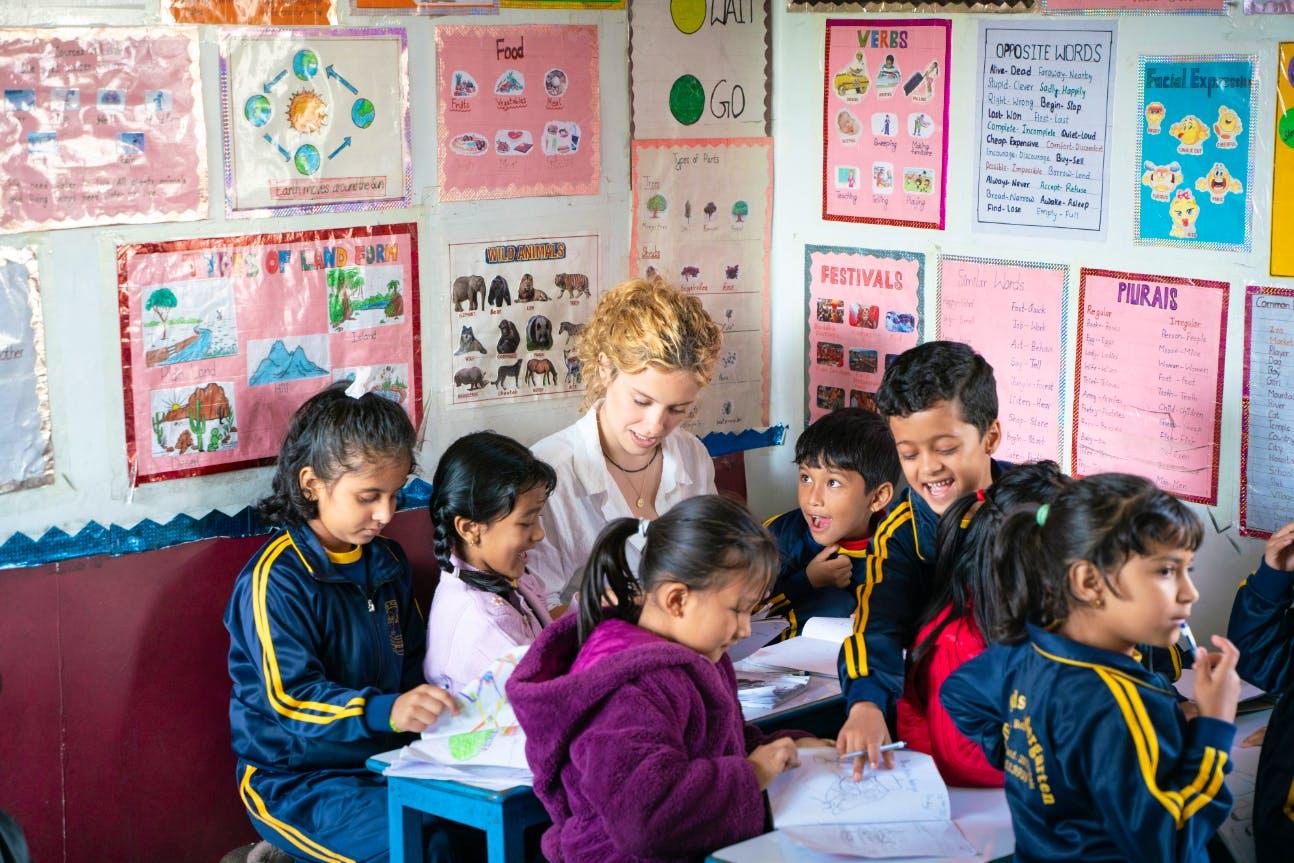
Nepal's Farms Are Short of Labor: Could Welcoming Volunteers Help?
Many farms in Nepal are short of workers, especially in the hills. Could welcoming volunteers bring extra hands and a real cultural exchange? Here is what small farms and rural hosts should know.
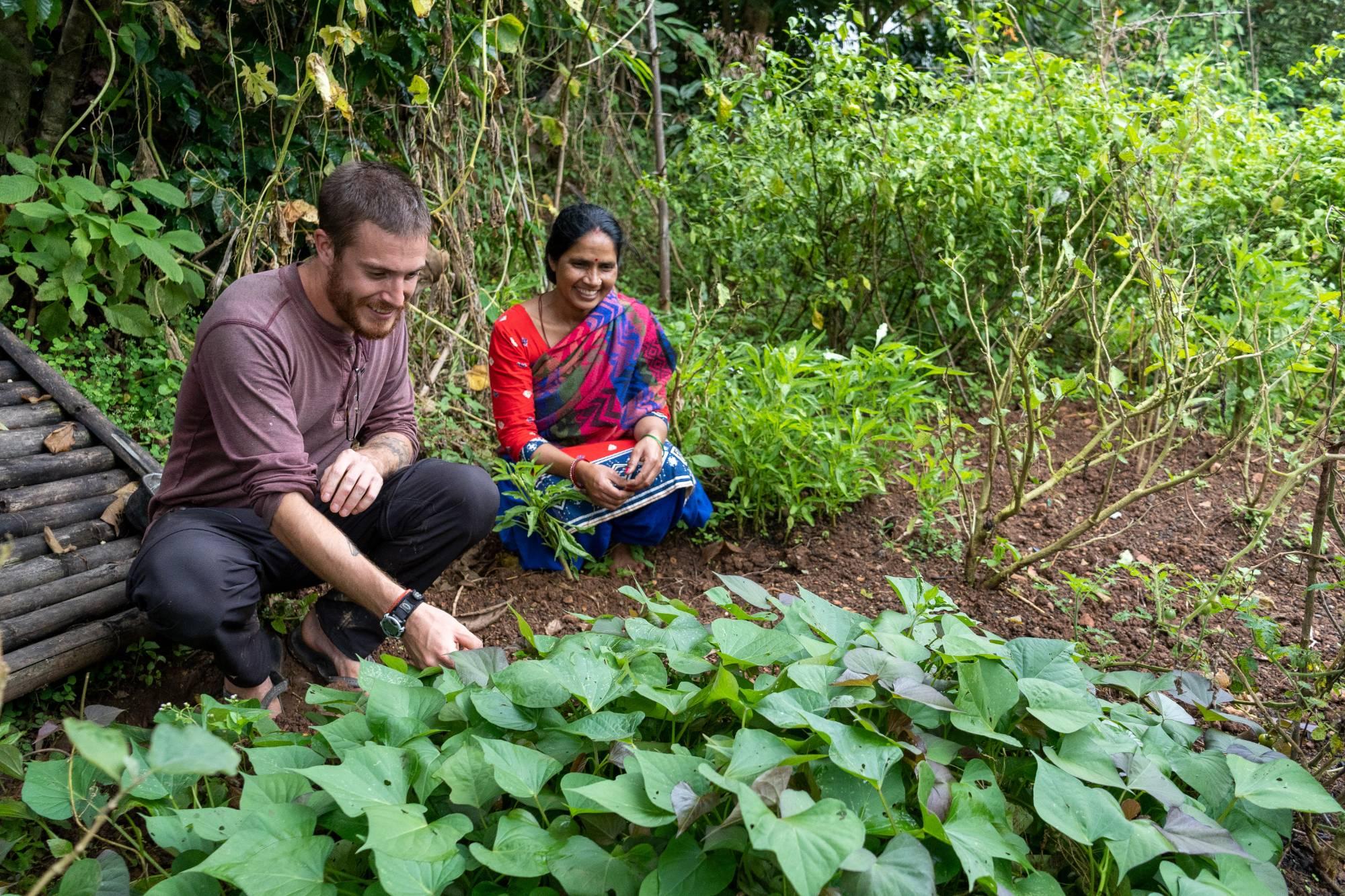
Labor shortages caused by people leaving rural areas have been reported across Nepal, especially in the hills and mountains, where farming is very labor-intensive and machines are hard to use. For a small farm, that can mean land left unplanted, harvests that take too long and a lot of work resting on very few people.
The issue is back in the news. Nepal's cabinet approved the National Agriculture Policy, 2026, on July 8, replacing the seventeen-year-old policy from 2004. Agriculture's share of the economy has slipped below a quarter, yet roughly 57 percent of the workforce still depends on farming, forestry and fishing.
So what does this mean for small farms and rural hosts, and is there a role for travelers who want to help and learn?
What is happening on Nepal's farms
Migration for work abroad has left a significant shortage of agricultural labor in rural areas, and land has been left fallow as a result. Money sent home by migrant workers has eased poverty for many families, but the shortage of farm labor has reduced domestic production.
Why it is hardest in the hills
In the hills, much of the farming now falls to women, the elderly and children, who often lack the physical capacity for the labor-intensive terraced farming that hill landscapes require. The new policy gives particular attention to women who increasingly manage farms alone as men migrate for work.
What the government is trying
The policy encourages cooperative or contract farming on fallow land and links this to rural jobs, in the hope that better organised farming can offer incomes that compete with working abroad. There is also some encouraging news for small farms: demand for organic crops grown in the hills and mountains has recently been growing.
These are big, long-term changes. In the meantime, individual farms are looking for practical ways to get through the busy periods.
Where volunteers can help, and where they can't
Volunteers stay for weeks or months, not years, so they can't solve a national labor shortage, and work exchange is not a replacement for normal farm employment. It also shouldn't be used as one.
What it can do is bring a few willing hands during planting, harvest or building projects, and bring something else that matters just as much: people from other countries sharing your daily life.
More than extra hands: a real cultural exchange
The best work exchanges go both ways. The volunteer helps on the farm, and the host shares a way of life.
- Learn local farming methods. Terrace work, seed saving, composting, caring for animals, and how the seasons shape the year.
- Share meals and cooking. Eating together is often where the best conversations happen. Many volunteers love learning to cook local food and sharing dishes from their own countries.
- Practice languages. Volunteers and hosts, and often children and neighbors, enjoy talking and learning words from each other.
- Join village life. Festivals, market days, family gatherings and walks around the village give travelers a view of Nepal they won't get as tourists.
- Hosts learn too. About other countries, other farming ideas and other ways of seeing things.
For many hosts, this is the real reward: meeting the world without leaving home.
Farms in other countries already use Roamhelp the same way. Here is what a listing looks like.
Meet a host: a small farm in the Swedish countryside
This self-sufficient farm grows its own vegetables, raises animals and teaches traditional cooking and food preservation. Volunteers help with gardening, animals and cooking, have their own room and share meals with the hosts. The listing has a section about what volunteers will learn, and the hosts explain that a longer stay works best.
Tasks travelers can help with
- Planting, weeding and harvesting
- Maintaining terraces and garden beds
- Composting and mulching
- Caring for animals
- Simple building and repair projects
- Helping in the kitchen and preparing food
- Sharing skills like English, music or crafts
What makes a good farm listing
Clarity helps both sides. Explain:
- What help you need, and about how many hours a day.
- What you offer: accommodation, meals and anything else included.
- What volunteers will learn or take part in, such as farm methods, cooking or village life.
- Where you are and how to get there. Say whether it is remote, whether there is electricity and internet, and what the weather is like.
- How long you would like volunteers to stay. Many hosts find that a longer stay works better, because the volunteer has time to learn the farm.
Honest details lead to better matches and happier stays.
List your farm on Roamhelp for free
If you run a small farm, homestay or rural project in Nepal and would like to welcome travelers, you can create a host profile on Roamhelp for free. Roamhelp is free for hosts, and it always will be.
Ready to start your adventure?
Join the Roamhelp community and discover volunteer opportunities around the world.